There’s a quiet kind of labor that doesn’t show up on employment charts. It’s the kind where you hold someone’s hand as they take their last breath, or sit with a stranger in a hotel room who just needs to feel human for an hour. These jobs don’t come with benefits, unions, or public recognition-but they’re essential. In cities like London, where the lines between survival and service blur, people do the work others won’t talk about. Some call it sex work. Others call it deathcare. Both are about presence. Both are about touch. Both are about holding space when the world walks away.
It’s not unusual to find someone who works as an independent escort girls london also volunteering at a hospice. The skills overlap: reading silence, knowing when to speak, how to sit still, how to offer comfort without demanding anything in return. The stigma is different, but the need is the same. One pays rent. The other pays for peace. Neither is talked about in polite company.
When the Body Is a Workplace
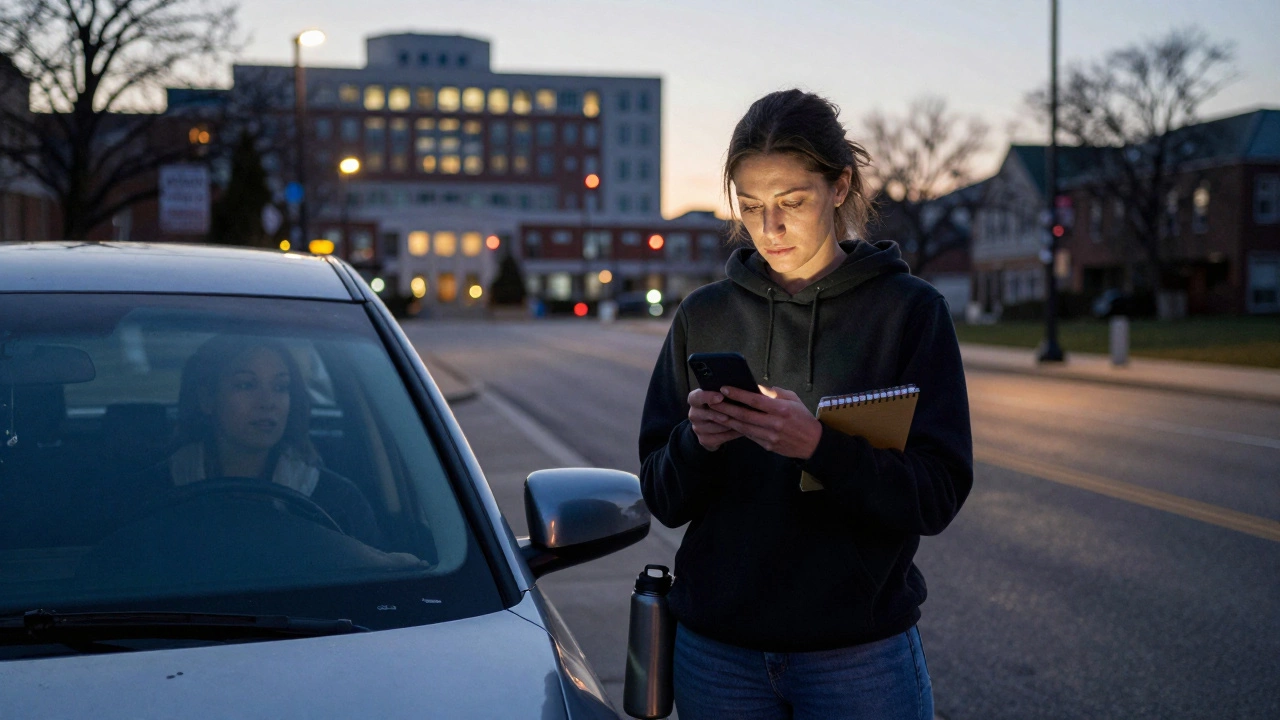
Sex workers in London don’t just meet clients in flats or hotels. Some work out of cars parked near Queen’s Park. Others take appointments after midnight in East London, where the streetlights flicker and the pubs close early. The work isn’t glamorous. It’s often exhausting. It’s rarely safe. But for many, it’s the only option that lets them control their time, their income, and their boundaries. There are no bosses, no shifts, no HR department. Just a phone, a calendar, and the courage to say no.
Many of these women are mothers, students, artists, or caregivers. One woman I met in Peckham had been working as an escort for three years while studying nursing. She told me she liked the flexibility-it let her be there when her daughter had nightmares, or when her grandmother needed help bathing. She didn’t see herself as different from the nurses she shadowed in the hospital. Both jobs required emotional labor. Both required showing up when you were tired. Both required holding grief.
The Other Side of the Bed: Deathcare Without a Uniform
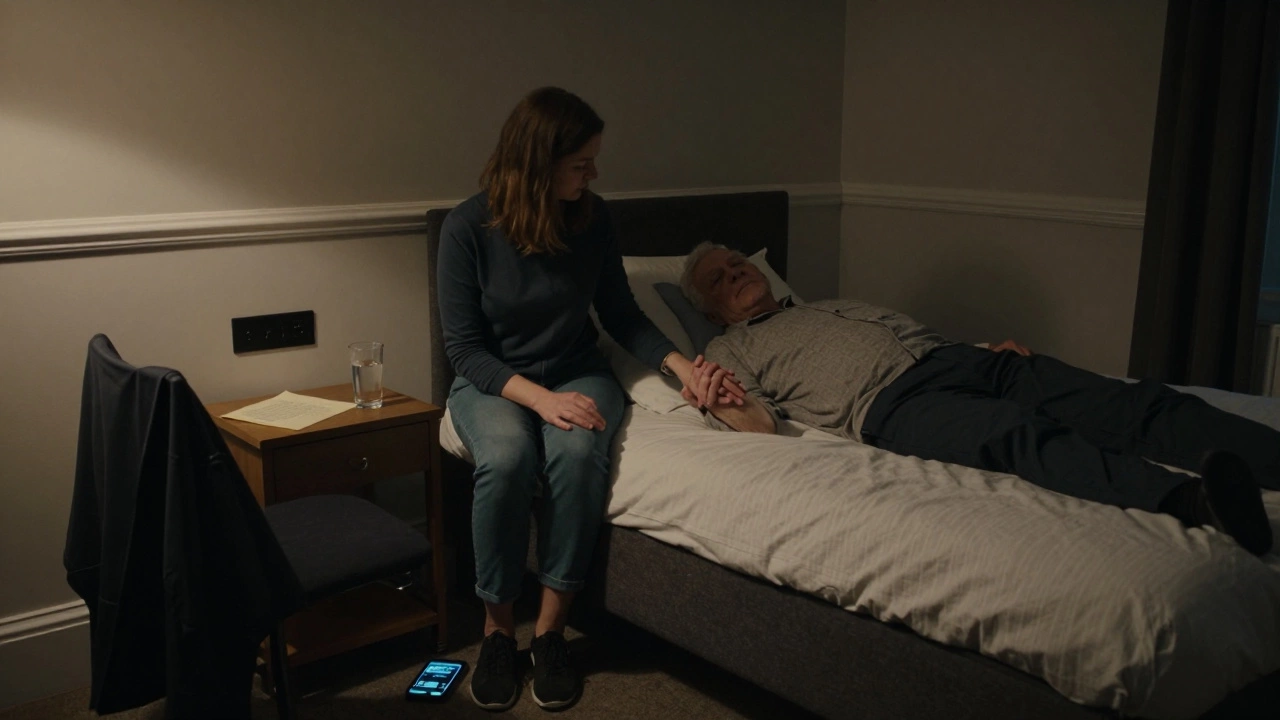
Deathcare isn’t just for funeral directors and nurses. It’s also for the woman who sits with a man dying alone in a rented room, wiping his brow, reading him poems from his childhood. It’s for the person who helps a widow choose a coffin because no one else would. These aren’t jobs you learn in school. You learn them by doing, by showing up, by not flinching.
In London, there’s a growing network of independent death doulas-people who offer emotional, practical, and spiritual support to the dying and their families. Some are trained. Most aren’t. They’re often people who’ve lost someone, or who’ve worked in sex work and realized the same skills apply. You don’t need a certificate to hold someone’s hand. You just need to be there.
One doula I spoke with, Maria, used to be an escort in East London. She said the first time she held a dying man’s hand, she felt like she’d done it before. Not in the same room, but in the same way. The same quiet. The same fear. The same need to be seen without being judged. She started offering end-of-life support after her client, a 72-year-old man who’d never had visitors, asked her to stay with him the night he died. She did. He died holding her wrist.
Why We Look Away
Society doesn’t like to see the messy edges of care. We prefer clean narratives: nurses in scrubs, funeral homes with velvet drapes, therapists with degrees. We don’t want to know that the person who wiped your mother’s tears might have also wiped the sweat off a stranger’s back the night before. We don’t want to admit that grief and desire live in the same body. That loneliness looks the same whether you’re paying for touch or begging for it.
There’s a myth that sex work is about exploitation. Sometimes it is. But often, it’s about autonomy. And sometimes, it’s about the only way a woman can afford to sit with her dying father without going bankrupt. The same woman who posts as an escort girls in east london on a discreet site might also be the one who brings soup to the neighbor whose husband just passed. She doesn’t see a contradiction. The world does.
Grief Doesn’t Care About Your Job Title
Grief doesn’t ask if you’re licensed. It doesn’t care if you’re on the registry. It doesn’t care if you’re ‘legitimate.’ It shows up in the middle of the night, when the pills run out, when the children are asleep, when the silence is too loud. And it finds the people who know how to sit with it.
Many sex workers and death doulas share the same coping mechanisms: journaling, walking, talking to other workers, avoiding small talk. They know how to compartmentalize. They know how to turn off the emotional tap when they need to. But they also know how to turn it back on-sometimes faster than anyone else.
One London-based death doula told me she still gets calls from former clients. Not to book another session, but to say thank you. ‘You were the only one who didn’t treat me like a number,’ one wrote. Another: ‘I didn’t cry until you held me.’
The Invisible Network
There’s no official directory for these workers. No LinkedIn profile. No Yelp reviews. But there’s a network. Text chains. WhatsApp groups. Word of mouth. A woman who needs a ride to the hospital after a funeral? Someone in the group will offer. A death doula who needs someone to watch her kids while she attends a vigil? A sex worker she met at a café will say yes.
In London, these connections are growing. Women who’ve worked in both fields are starting collectives-offering training in trauma-informed care, safe boundaries, and financial literacy. They’re not trying to be heroes. They’re just trying to survive with dignity.
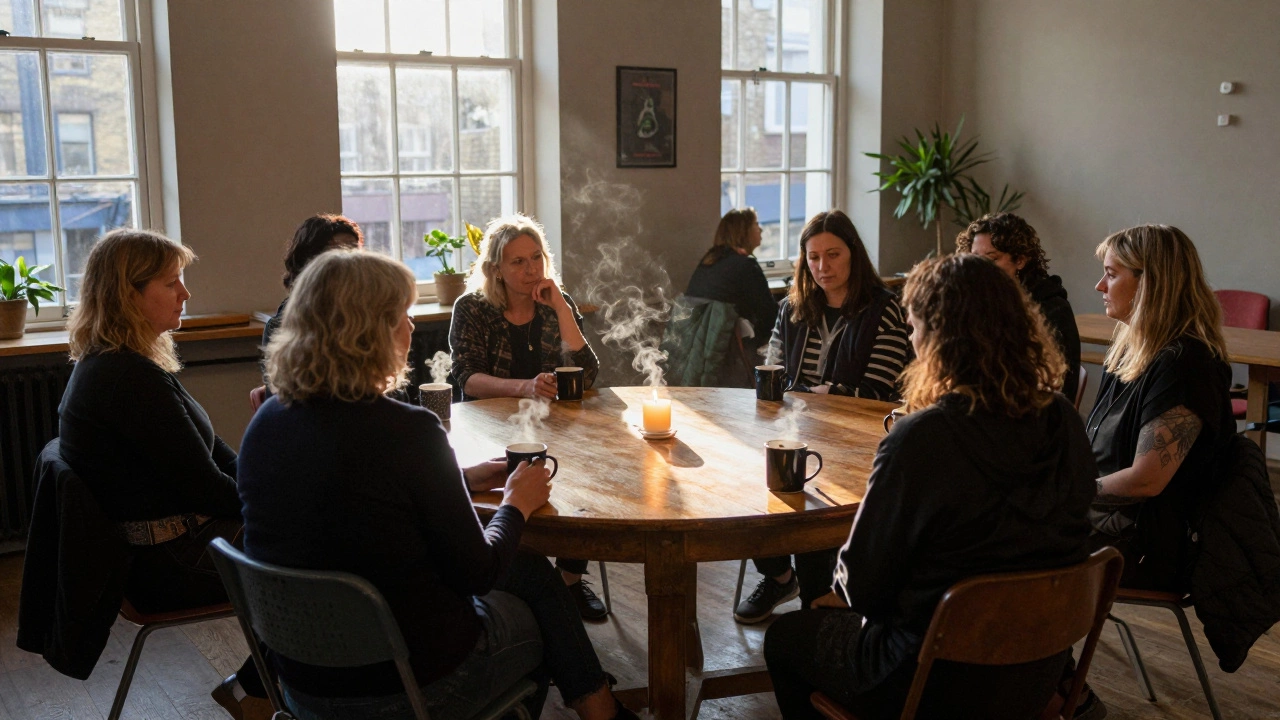
One group meets monthly in a community center in Hackney. No agenda. No speakers. Just coffee, silence, and sometimes tears. They call it ‘The Shoulder Circle.’ No one knows where the name came from. But everyone knows what it means.
What This Means for the Rest of Us
We’re taught to separate the ‘good’ workers from the ‘bad.’ Nurses are noble. Escorts are fallen. Death doulas are spiritual. Sex workers are criminalized. But in real life, these roles bleed into each other. The woman who helps you grieve might have helped someone else find comfort in a different way. The person who holds you when you cry might have held someone else when they were afraid to be alone.
Maybe the real question isn’t why someone does this work. It’s why we’ve made it so hard for them to do it well. Why we force them into the shadows. Why we refuse to see the humanity in the work that keeps us from falling apart.
There’s a line in a poem by Audre Lorde: ‘I am not free while any woman is unfree, even when her shackles are very different from my own.’ That’s the truth here. Whether the shackles are stigma, poverty, or loneliness, the need for dignity is the same.
Next time you see someone who looks like they’re carrying something heavy, don’t assume you know what it is. Maybe they’re just trying to get through the day. Maybe they’ve held a stranger’s hand twice today. Maybe they’re waiting for their turn to be held.
And if you’re one of them? You’re not broken. You’re not lost. You’re doing the work that no one else will. And that matters.
One woman in Brixton, who works as an independent escort and also helps families plan home funerals, told me this: ‘I don’t want to be a hero. I just want to be seen. And if someone sees me, maybe they’ll see themselves too.’
That’s the quiet revolution. Not in laws or protests. But in the way we choose to look.