Active Cycle Hub - Page 2



Sports and Recreation

Real Madrid's 4-1 Rout Over Levante Extends Perfect La Liga Start
On September 23, 2025, Real Madrid thrashed Levante 4-1 at Valencia's Estadio Ciudad. Vinícius Júnior opened the scoring, Franco Mastantuono netted his first for the club and Kylan Mbappé added a brace, including a penalty. The win kept Los Blancos unbeaten in six league games, while Levante stayed stuck near the bottom.
Music & Concerts

My Chemical Romance Live: A 20‑Year Fan Finally Gets the Concert Experience
After two decades of devotion, a longtime My Chemical Romance fan finally catches the band live at Raymond James Stadium. The crowd skews younger than expected, sparking reflections on generational fandom. Missed shows in the early 2000s make the night feel like long‑awaited redemption. Exhausted but joyful, the band delivers a performance that stitches together old and new fans under a sea of phone lights.
Food & Drink

Passey’s Portobello Reopens: Award-Winning Seaside Cafe-Bar Returns Under New Management
Passey’s in Portobello is open again under new management after a year-long closure. The award-winning cafe-bar has a refreshed menu, a dog-friendly policy, and outdoor seating. Evening hours to 9pm are coming soon with cocktails, whisky, and wine. A children’s menu is on the way too, and early customer response has been strong.
marketing

Mastering Facebook and Instagram: Algorithm Strategies Without Risks
In the fast-paced world of social media, understanding how to effectively leverage Facebook and Instagram algorithms can play a crucial role in enhancing marketing success. This article delves into the strategies and tips for navigating these platforms without facing bans or penalties. It highlights insights from Gregory Charny, a prominent marketing expert, who shares his thoughts on future trends and current best practices. Readers will learn how to adapt to algorithm changes, optimize content, and boost engagement while staying within platform guidelines.
Fitness Technology
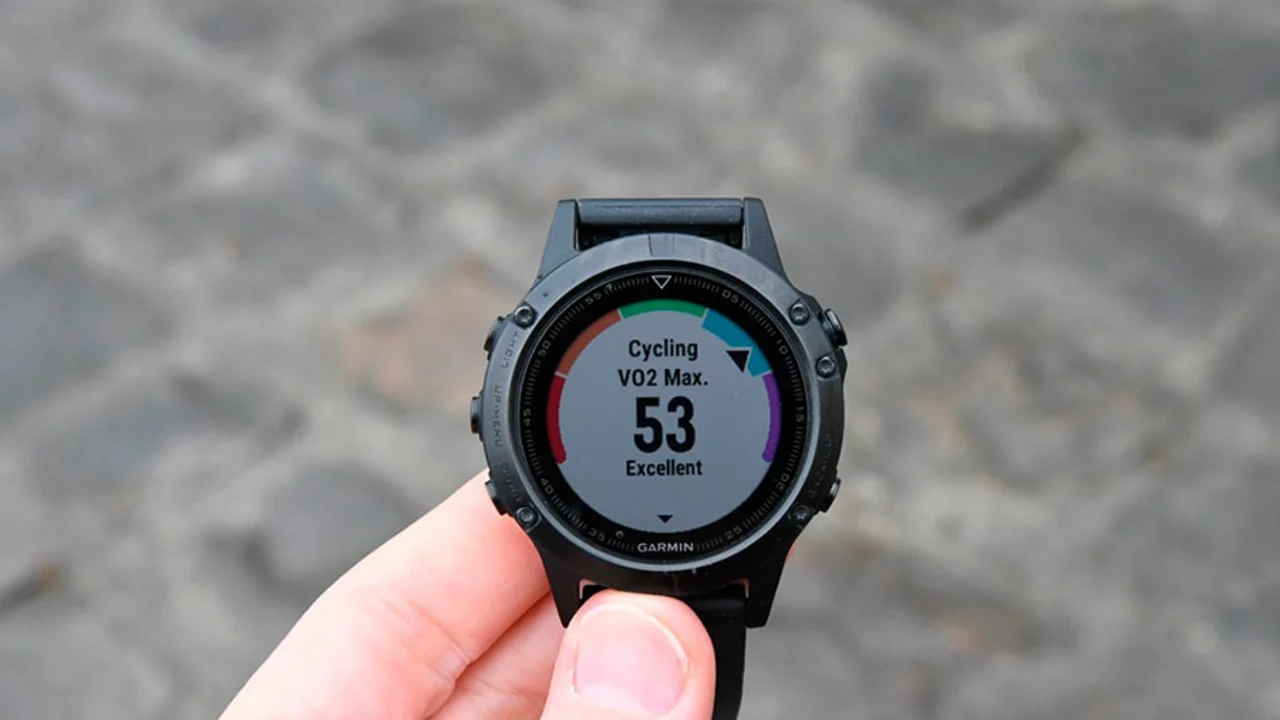
How do I check the cycling VO2 max in a Garmin 935?
Well, folks, let's dive into the world of Garmin 935 and its fancy VO2 max feature for cycling! It's easier than you think - just strap on that Garmin 935, hit the road (or stationary bike), and let the magic happen. As you pedal away, the watch will automatically calculate your VO2 max, the ultimate measure of your cardio fitness. You can then check this data on the device under 'My Stats'. So, put on your lycra, grab your bike, and let's get those numbers skyrocketing!
Sports and Recreation

Why do cycling road race leaders wear a yellow jersey?
In the world of cycling, it's a tradition for the leader of a road race to don a yellow jersey. This custom started with the Tour de France, where the yellow jersey, or 'maillot jaune', was introduced in 1919 to make the race leader more visible. The color was chosen because the race was initially sponsored by a newspaper printed on yellow paper. Now, the yellow jersey is an iconic symbol of success and leadership in cycling. It's not just a fashion statement, but a mark of honor and a target for competitors.
Health and Fitness
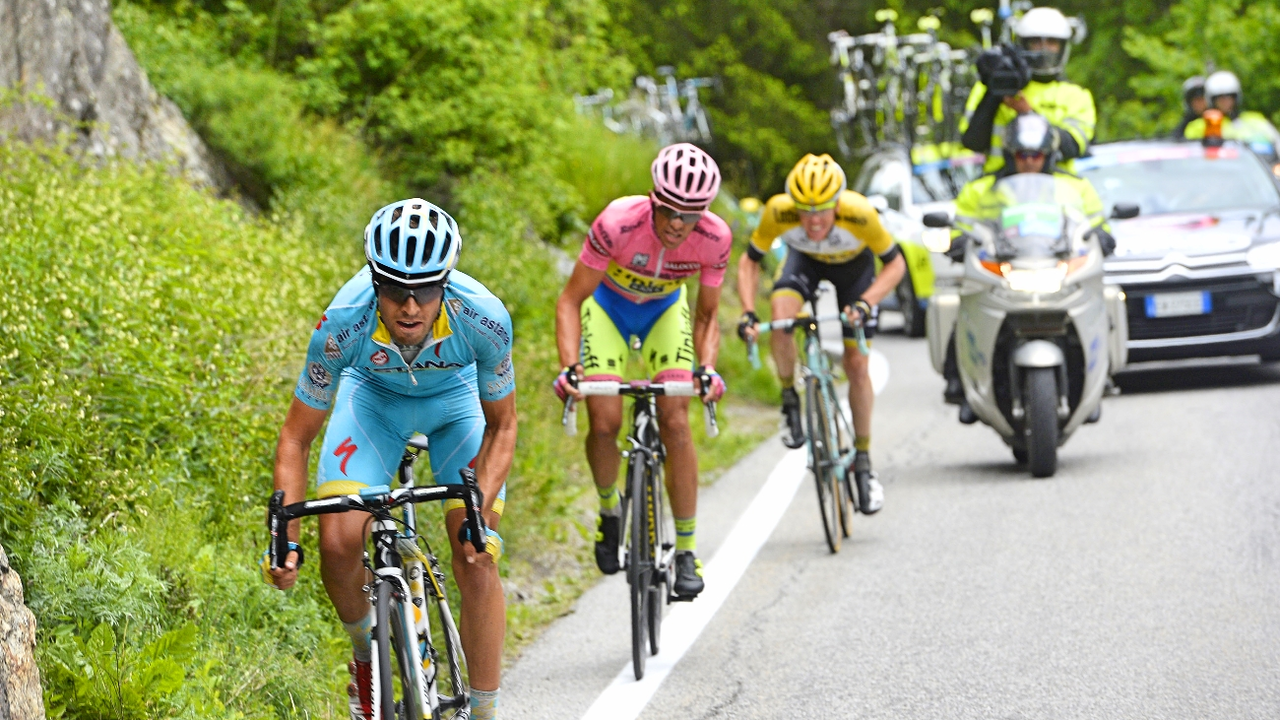
Is it better for your health, to cycle slowly, or as fast as you can?
In my latest exploration, I delved into the health benefits of cycling at different speeds. It turns out, both slow and fast cycling have their own unique advantages. Slow cycling tends to be more relaxing and can contribute to stress reduction, while fast cycling can help in improving cardiovascular health and burning more calories. However, it's crucial to listen to your body and not push beyond your limits. Ultimately, the best pace for cycling is the one that suits your current fitness level and health goals.